

Hnycareershub
Add a review FollowOverview
-
Founded Date 2015-06-03
-
Posted Jobs 0
-
Viewed 546
Company Description
NHS: A Universal Embrace
In the sterile corridors of Birmingham Women’s and Children’s NHS Foundation Trust, a young man named James Stokes carries himself with the measured poise of someone who has found his place. His polished footwear whisper against the floor as he exchanges pleasantries with colleagues—some by name, others with the universal currency of a “good morning.”
James wears his NHS lanyard not merely as a security requirement but as a symbol of acceptance. It sits against a neatly presented outfit that offers no clue of the challenging road that preceded his arrival.
What distinguishes James from many of his colleagues is not obvious to the casual observer. His demeanor gives away nothing of the fact that he was among the first recruits of the NHS Universal Family Programme—an initiative created purposefully for young people who have spent time in care.
“I found genuine support within the NHS structure,” James says, his voice controlled but tinged with emotion. His remark encapsulates the heart of a programme that aims to transform how the massive healthcare system perceives care leavers—those frequently marginalized young people aged 16-25 who have graduated out of the care system.
The figures paint a stark picture. Care leavers frequently encounter higher rates of mental health issues, financial instability, housing precarity, and lower academic success compared to their age-mates. Underlying these cold statistics are personal narratives of young people who have traversed a system that, despite best intentions, frequently fails in offering the nurturing environment that forms most young lives.
The NHS Universal Family Programme, initiated in January 2023 following NHS England’s commitment to the Care Leaver Covenant, embodies a substantial transformation in systemic approach. At its heart, it acknowledges that the entire state and civil society should function as a “collective parent” for those who haven’t known the constancy of a conventional home.
Ten pioneering healthcare collectives across England have led the way, creating systems that reimagine how the NHS—one of Europe’s largest employers—can create pathways to care leavers.
The Programme is thorough in its strategy, beginning with detailed evaluations of existing procedures, creating management frameworks, and securing executive backing. It acknowledges that meaningful participation requires more than lofty goals—it demands concrete steps.
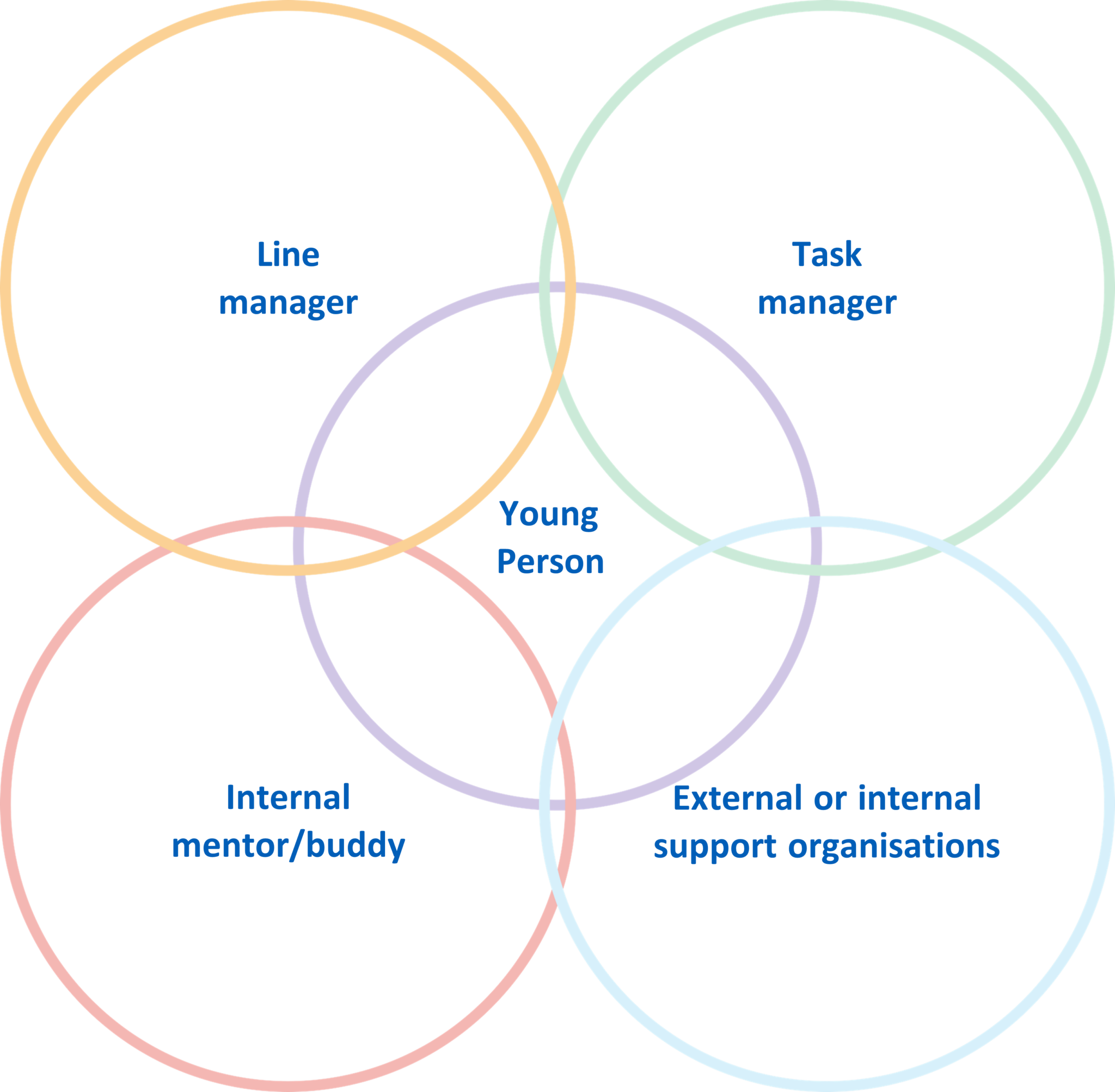
In NHS Birmingham and Solihull ICB, where James found his footing, they’ve developed a regular internal communication network with representatives who can offer support, advice, and guidance on mental health, HR matters, recruitment, and EDI initiatives.
The traditional NHS recruitment process—rigid and possibly overwhelming—has been thoughtfully adapted. Job advertisements now focus on character attributes rather than extensive qualifications. Applications have been redesigned to address the particular difficulties care leavers might face—from missing employment history to having limited internet access.
Possibly most crucially, the Programme understands that starting a job can create specific difficulties for care leavers who may be navigating autonomy without the support of familial aid. Issues like transportation costs, proper ID, and bank accounts—considered standard by many—can become substantial hurdles.
The brilliance of the Programme lies in its attention to detail—from explaining payslip deductions to helping with commuting costs until that critical first salary payment. Even ostensibly trivial elements like coffee breaks and office etiquette are thoughtfully covered.
For James, whose NHS journey has “revolutionized” his life, the Programme offered more than employment. It offered him a sense of belonging—that ineffable quality that emerges when someone senses worth not despite their history but because their particular journey improves the workplace.
“Working for the NHS isn’t just about doctors and nurses,” James comments, his gaze showing the quiet pride of someone who has found his place. “It’s about a community of different jobs and roles, a team of people who truly matter.”

The NHS Universal Family Programme represents more than an job scheme. It stands as a strong assertion that institutions can evolve to include those who have navigated different paths. In doing so, they not only alter individual futures but enrich themselves through the distinct viewpoints that care leavers bring to the table.
As James navigates his workplace, his involvement quietly demonstrates that with the right support, care leavers can succeed in environments once thought inaccessible. The arm that the NHS has offered through this Programme symbolizes not charity but recognition of overlooked talent and the essential fact that each individual warrants a community that believes in them.