

Eaves Repair
Add a review FollowOverview
-
Founded Date 1961-02-11
-
Posted Jobs 0
-
Viewed 170
Company Description
9 . What Your Parents Teach You About Fascia And Soffit Repair
Fascia and Soffit Repair: Essential Tips for Homeowners
Fascia and soffit are essential components of a home’s outside, typically overlooked by many property owners. These aspects play a considerable function in protecting the interior of a home from the aspects, while likewise adding to the total visual appeal of the building. Comprehending their functions, common problems, and repair approaches is vital for maintaining a healthy home. This post will offer a detailed summary of fascia and soffit repair, in addition to regularly asked questions, a useful table, and checklists for property owners.
What Are Fascia and Soffit?
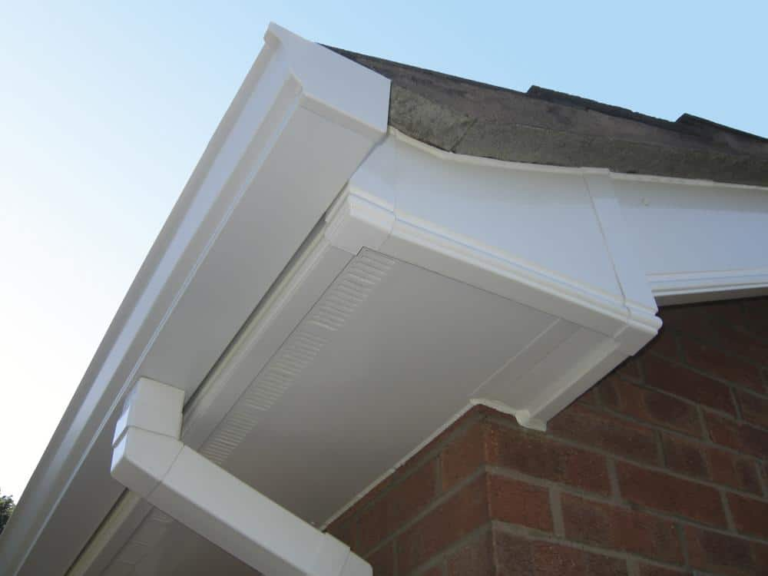
Fascia
Fascia boards are horizontal planks that run along the roofline, serving as a crucial structural aspect. They provide a completed appearance to the roof and function as a support group for the bottom row of shingles. Furthermore, they play a number of vital roles:
- Protection: Fascia guards the roofing and underlying structure from water damage and pests.
- Visual appeal: It boosts the visual appeal of the home by offering a tidy and finished edge.
- Support for seamless gutters: Fascia boards are frequently important in supporting gutter systems.
Soffit
Soffits are the panels that sit beneath the fascia, creating an enclosed area between the eaves and the side of your home. They provide both useful and aesthetic functions:
- Ventilation: Soffits assist to aerate the attic, enhancing air blood circulation and minimizing moisture buildup.
- Defense: Like fascia, soffits act as a barrier against bugs and weather condition components.
- Visual connection: Soffits can be finished in numerous products and styles, adding to the general appearance of the home.
Common Issues with Fascia and Soffit
In time, fascia and soffit can experience various problems due to weather, bugs, and lack of maintenance. Some typical issues include:
- Rotting wood: Exposure to wetness can lead to wood rot, weakening the structural stability.
- Bug invasions: Insects, birds, and other pests may infiltrate broken fascia and soffit.
- Peeling paint or discoloration: Weathering can cause fading, cracking, or peeling of paint, diminishing visual appeal.
- Water damage: Leaking rain gutters or a harmed roofing can result in water pooling, triggering damage to fascia and soffit.
- Mold and mildew: Poor ventilation can lead to mold growth within the soffit location.
Repairing Fascia and Soffit: A Step-by-Step Guide
Products Required
To successfully repair fascia and soffit, house owners need the following materials and tools:
| Material/Tool | Function |
|---|---|
| Replacement boards (wood/vinyl) | To change damaged areas |
| Paint or sealant | To secure versus weather condition |
| Caulk | To seal joints and spaces |
| Ladder | For accessing raised areas |
| Power saw | For cutting replacement boards |
| Drill and screws | For attaching the new boards |
| Safety gear | To secure against accidents |
Step-by-Step Repair
-
Examine the Damage: Inspect the fascia and soffit for signs of damage, such as rot, sagging, or staining.
-
Eliminate the Damaged Sections: Utilize a power saw to carefully cut out rotten or broken boards. Be mindful of the surrounding products to prevent further damage.
-
Prepare the Area: Clean the exposed area to get rid of debris and make sure there is a solid surface area to connect the brand-new boards.
-
Set Up Replacement Boards: Cut new fascia and soffit boards to size. Attach them securely using screws or nails, ensuring they line up correctly with the existing structure.
-
Seal and Paint: Apply caulk to any joints or gaps to avoid moisture infiltration. Once the caulk sets, paint or seal the new boards to safeguard against future weathering.
-
Inspect and Maintain: Regularly examine the fascia and soffit for signs of wear and tear. Execute preventive maintenance to prolong their life-span.
When to Call a Professional
Particular scenarios might call for working with a professional for fascia and Soffit Repair, Jobsleed.com,:
- Extensive damage that includes structural components.
- Trouble accessing high or steep locations.
- Lack of experience or comfort with home repairs.
- Installation of specific products, such as custom-made aluminum or vinyl options.
Frequently asked questions About Fascia and Soffit Repair
Q1: How can I tell if my fascia or soffit needs to be fixed?
A: Look for indications of water damage, such as staining, peeling paint, or decomposing wood. Furthermore, examine for insect activity or drooping areas.
Q2: What materials are best for changing fascia and soffit?
A: Common products include wood, vinyl, and aluminum, each providing various advantages in regards to toughness, maintenance, and aesthetic appeal.
Q3: Can I repair fascia and soffit myself?
A: Many homeowners can carry out easy repairs, but it’s vital to assess your skill level and comfort. For extensive damage or high locations, consider working with a professional.
Q4: How typically should I examine my fascia and soffit?
A: It’s recommended to check fascia and soffit at least twice a year, especially after heavy rains or storms.
Q5: Do I need authorizations for fascia and soffit repairs?
A: Most minor repairs do not need authorizations; however, it’s best to examine with regional building codes and policies.
Fascia and soffit repair is a needed maintenance task for homeowners that not just preserves the structural stability of the home but likewise boosts its visual appeal. Comprehending the common issues and understanding how to address them is vital for efficient home repair. Routine evaluations and maintenance can save significant expenses in the long run while ensuring a safe and appealing living environment. Homeowners should feel empowered to act and address these crucial components of their homes.
