

Fascia And Soffit Installation
Add a review FollowOverview
-
Founded Date 1959-12-23
-
Posted Jobs 0
-
Viewed 60
Company Description
Fascia Board Replacement Tools To Make Your Daily Life Fascia Board Replacement Trick Every Person Should Learn
Fascia Board Replacement: A Comprehensive Guide
When it comes to maintaining a home’s outside, lots of property owners may ignore an important part: the fascia board. This long, horizontal board runs along the edge of the roofline and serves multiple functions, including assistance for rain gutters and a protective barrier against moisture. With time, fascia boards can end up being damaged due to weathering, rot, or insect invasions, requiring replacement. This short article will check out the factors for fascia board replacement, the process included, and necessary maintenance tips to guarantee the durability of your new installation.
Understanding Fascia Boards
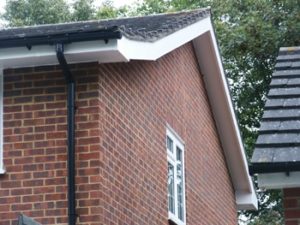
Fascia boards mainly act as a visual shift in between the roofing and the surrounding walls. Here is a quick summary of their key roles:
- Gutter Support: Fascia boards provide a safe surface area for seamless gutters to be connected, permitting water runoff from the roofing system to be directed away from your home.
- Protection: They buffer the roof versus wetness, bugs, and insects, avoiding possible infestations or water damage.
- Aesthetic Appeal: Fascia boards contribute to the general appearance of a home, framing the roofline and boosting curb appeal.
Indications It’s Time for Fascia Board Replacement
House owners must be watchful in keeping an eye on the condition of their fascia boards. Here are some signs showing that it may be time for a replacement:

- Visible Damage: Cracks, warping, or peeling paint can suggest deterioration.
- Water Damage: Dark staining, mold, or signs of rot may suggest water intrusion and require replacement.
- Bug Infestation: Presence of bugs, such as termites, can compromise the structural integrity of the fascia.
- Drooping or Bowing: A visible sagging of the fascia board might suggest insufficient assistance or damage below.
Actions for Fascia Board Replacement
Replacing a fascia board can be a workable DIY project for those with standard woodworking skills. However, for house owners who are uneasy operating at heights or do not have the necessary tools, working with a professional contractor is a good idea. Below is a comprehensive step-by-step guide to fascia board replacement:
Tools and Materials Needed
- Security safety glasses
- Gloves
- Ladder
- Lever
- Hammer
- Circular saw or hand saw
- Determining tape
- New fascia board (generally made of wood or composite material)
- Wood screws or nails
- Caulk and caulk weapon
- Primer and paint (if applicable)
Replacement Steps
- Examine the Area: Before beginning, evaluate the condition of the fascia board and surrounding roof elements.
- Protect the Area: Set up a ladder and ensure it is stable.
- Remove the Old Fascia Board: Use a crowbar to gently eliminate the old fascia board. Be careful not to harm the hidden structure.
- Inspect for Damage: Check for any rot or damage in the wood beneath. Change any damaged sections as required.
- Step and Cut the New Board: Measure the length required for the brand-new fascia board and cut it to size.
- Install the New Board: Secure the board using wood screws or nails, making sure a tight fit versus the roofline.
- Seal the Edges: Apply caulk along the edges to develop a water resistant seal.
- Finish: If preferred, use primer and paint to match the existing exterior. This will not just enhance appearance however also provide additional defense against the components.
Maintenance Tips for Fascia Boards
As soon as the fascia board has been changed, routine maintenance will help ensure its durability. Consider these suggestions:
- Regular Inspections: Check fascia boards a minimum of two times a year for indications of wear or damage.
- Tidy Gutters: Regularly tidy rain gutters to prevent clogs, which can result in water pooling and ultimate damage to the fascia.
- Trim Overhanging Branches: Trees situated near your home can shed leaves and branches, which may include unneeded weight and wetness to fascia boards.
- Repaint as Necessary: Periodically repainting the fascia board can protect it from the aspects, particularly in locations with severe weather condition.
Cost of Fascia Board Replacement
The expense of fascia board replacement can vary based on a number of factors, including the material selected, labor rates, and the level of damage, if any. Below is a simplified table to lay out typical costs associated with this job:
| Item | Average Cost |
|---|---|
| Material (Wood/Composite) | ₤ 1 – ₤ 10 per foot |
| Labor (if contracted) | ₤ 50 – ₤ 75 per hour |
| Tools & & Supplies | ₤ 50 – ₤ 150 |
| Total Estimated Cost | ₤ 250 – ₤ 1,500+ |
Prices can vary based on geographical place and particular project requirements.
Frequently Asked Questions About Fascia Board Replacement
1. How frequently should fascia boards be replaced?
Fascia boards can last between 10-20 years, depending upon the material and ecological factors. Routine evaluations can assist determine when replacement is essential.
2. What products are best for fascia boards?
Common products consist of wood, vinyl, and aluminum. Wood is standard but may require more maintenance, while vinyl and aluminum are low-maintenance alternatives.
3. Can I paint my fascia boards?
Yes, repainting fascia boards can boost their look and provide an extra layer of protection against moisture.
4. Is it essential to hire a professional for fascia board replacement?
While DIY can be an option, hiring a professional guarantees that the job is done properly and minimizes potential threats connected with working on roofs.
5. What can I do if I discover water damage in my fascia?
It’s vital to deal with water damage immediately to prevent additional problems. Assess the level of the damage; you may need to change the fascia board and examine underlying structures.
In conclusion, fascia board replacement is a critical home maintenance task that must not be overlooked. By recognizing the indications of degeneration, understanding the replacement process, and participating in routine maintenance, property owners can protect their homes from possible damage and boost their visual appeal.